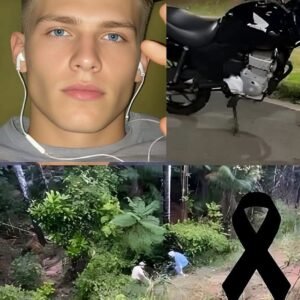
We weren’t ready for that notification, but it didn’t ask for permission. It punched through our screens like a fist. A bus, a ravine, 23 dead. No context. No mercy. Just a half-cut sentence and a cursed “See more” that hid a massacre on wheels.
While TV anchors softened their voices for “family audiences,” the raw images were already flooding WhatsApp groups, Facebook timelines, and Telegram chats. Eyewitness audios, trembling voices, photos that no one should see at breakfast. A country held its breath and felt that familiar mix of rage, fear, and helplessn… Continues…
By dawn, the headlines tried to package the horror into a neat phrase: “tragic accident,” “human error,” “bad weather.” But the truth is filthier and older.
It smells of worn-out brakes never replaced, of bosses who squeeze double shifts out of exhausted drivers, of roads patched with promises instead of asphalt. Behind every body bag from that ravine, there was a story of someone who got on that bus because there was no other option: the cheapest ticket, the only schedule, the route everyone knew was dangerous but necessary.
What remains now is a gym turned into a morgue, a stack of statements, and 23 families staring at doors that will never open again.
Tomorrow, the buses will keep running, the curves will keep claiming lives, and the same speeches will be repeated. The question that clings to the country like fog on that mountain is brutal and simple: how many more have to die before we stop calling these crimes “accidents”?