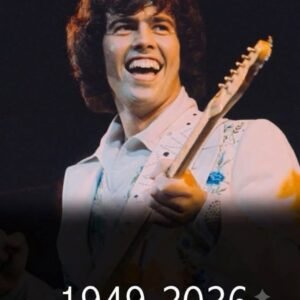
Tim Curry, the singular actor whose voice, wit, and theatrical energy made him unforgettable across stage, film, television, and animation, died at his Los Angeles home on August 25, 2026. He was 80. His longtime manager and friend Marcia Hurwitz confirmed the death, closing a career that ranged from audacious musical comedy to horror, family entertainment, and some of the most recognizable voice performances of his generation.
For many fans, Curry will always be Dr Frank N Furter in The Rocky Horror Picture Show. He created the role onstage before carrying it into the 1975 film, delivering a performance so confident and mischievous that it became the center of a worldwide cult phenomenon. Midnight screenings, costumes, audience participation, and repeated viewings turned the film into a continuing cultural ritual.
His range extended far beyond that breakthrough. Curry brought delicious menace to Pennywise in the 1990 television adaptation of Stephen King’s It. In Clue, he transformed the butler Wadsworth into a whirlwind of comic timing. He appeared in Legend, Annie, Home Alone 2, Muppet Treasure Island, and numerous other productions, rarely allowing two characters to feel alike.
Animation and games gave him another enormous audience. His precise, flexible voice could sound elegant, ridiculous, sinister, or warm within a single scene. He performed in The Wild Thornberrys, Gargoyles, FernGully, and many other projects, creating characters recognizable even when his face never appeared.
The final chapter of his life changed abruptly after a major stroke in 2012. The event affected his movement and speech and required him to use a wheelchair. A performer who once commanded stages through extraordinary physical presence now faced the slow work of rehabilitation and adaptation.
Curry approached that change without surrendering his identity. He worked with therapists, relearned skills, and continued accepting voice roles when possible. He attended fan events and anniversary celebrations in a wheelchair, greeting audiences with the same dry humor and glint of mischief they remembered.
The stroke did not erase the frustration or practical limits of disability. It changed travel, performance, independence, and the effort required for ordinary communication. Yet Curry refused to let the medical event become the only story told about his later years. Survival became another demanding role, but it was one he played as himself.
His openness also challenged assumptions about what a public life should look like after serious illness. He did not need to appear unchanged in order to remain present. Fans saw the wheelchair and heard differences in his speech, but they also encountered the intelligence, timing, and generosity that had always animated his work.
Curry occasionally spoke about mortality with calm rather than melodrama. Years of recovery had taught him gratitude for the abilities and relationships that remained. Friends described a man whose humor endured through difficult circumstances and who continued taking pleasure in the response his characters inspired.
His legacy rests not only on a list of roles but on the freedom with which he performed them. He could be outrageous without losing precision, frightening without becoming dull, and funny without treating a character as disposable. He trusted audiences to follow him into heightened worlds because every choice was grounded in complete commitment.
Tim Curry’s death brought grief to generations who discovered him in different places: a midnight theater, a television horror event, a childhood cartoon, a comedy repeatedly quoted with friends, or a video game whose villain possessed an unmistakable voice. Those audiences did not all know the same Curry, which is evidence of his extraordinary reach.
The stroke altered his final years but did not diminish what came before or the courage that followed. Curry spent a lifetime disappearing into characters, then faced disability in public without pretending it was easy. He leaves behind flamboyance, terror, laughter, music, and proof that presence can survive dramatic change.