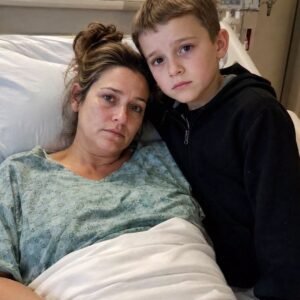
They thought it was just age. Or stress. Or life finally catching up with them. But in living rooms, church basements, and quiet clinic waiting rooms, a different story began to whisper through the cracks. Strange symptoms. Lingering doubts.
A question no one wanted to ask, but no one could ignore. When they finally compared notes, ev… Continues…
What began as scattered worries slowly turned into something powerful: connection. People who once shrugged off their exhaustion or confusion started comparing dates, symptoms, and routines. Not to prove a theory, not to win an argument,
but to understand their own bodies. Doctors were called, second opinions sought, journals filled with small but important details. Instead of accusing, they listened—to themselves and to each other.
Support circles formed where silence once lived. Walking groups replaced lonely afternoons. Neighbors checked in on one another, not as patients, but as human beings sharing the same uncertain path. The symptoms didn’t vanish, and the science
didn’t suddenly deliver simple answers. But fear became a little less heavy when spoken out loud. In the end, the real turning point wasn’t a diagnosis. It was the moment people realized that being heard is sometimes the first step toward healing.