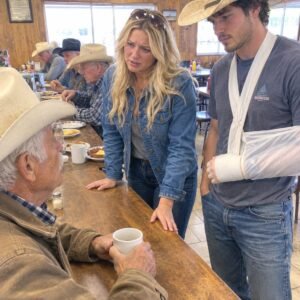
Two days after marrying his dying patient, a young doctor faced losing everything. Lucas thought he had granted Alicia one final wish, until a sealed box revealed an inheritance that could erase his debts and turn her grieving sister against him.
Suddenly, the wedding he called compassionate became the decision that threatened his career and exposed a devastating trut… Continues…
At 30, Lucas agreed to marry Alicia, his terminally ill, 18-year-old patient, after transferring her care to another physician. He believed the nonromantic ceremony honored her wish for something she could choose.
After her death, he learned she had left him enough money to repay his medical-school loans.
Her sister, Nora, suspected exploitation and reported him. Lucas refused the inheritance, but the hospital removed him from clinical duties while it investigated. Good intentions could not erase his responsibility.
Eventually, Lucas stopped defending his decision as something Alicia had insisted upon. She had asked; he had agreed.
Nora clarified that she had no direct evidence he anticipated the inheritance, while maintaining her complaint about the marriage.
The review found no evidence of deliberate financial exploitation but imposed a reprimand, boundary training, and supervised work. Lucas returned with his debts intact, understanding that compassion sometimes requires saying no—and seeking guidance first.