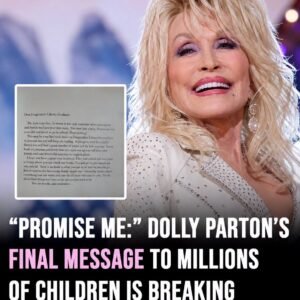
A carefully recorded message appeared on Dolly Parton’s social media accounts after her death, and fans quickly understood that it carried more than a routine family statement. Her nephew Bryan Seaver sat before the camera with decades of memories and a responsibility that Dolly herself had reportedly decided he would one day fulfill. The family’s final request was not improvised in the confusion of grief. It had been prepared as part of the way Dolly wanted her legacy protected.
Bryan’s connection to his aunt extended far beyond a famous surname. He had worked for more than 20 years as part of her security team, following a path established by his father, Larry. The job placed him near Dolly during private travel and major public events. He remembered accompanying her as far back as the 1980s and seeing the difference between the entertainer known around the world and the relative who remained closely tied to her family.
Those years showed him how often Dolly opened doors for other people. Relatives, musicians and young dreamers benefited from her willingness to share opportunity. Her success came from songwriting, recording, touring, publishing, Dollywood and numerous other ventures, but the message did not reduce her life to a financial figure. Bryan focused instead on generosity, faith and the sense that Dolly had entered millions of homes through records, television appearances, CDs and digital playlists.
Tributes arrived from major figures across music and culture, including Paul McCartney, Beyoncé and Eminem. Their words reflected the extraordinary range of Dolly’s influence. Country fans regarded her as part of the foundation of the genre, while artists from very different musical worlds recognized her songwriting and humanity. Yet the most important statement came from inside the family, where grief was mixed with a promise to honor decisions Dolly had made before the public knew they existed.
Bryan assured admirers that the family and the team she trusted would protect what she had built. That meant more than controlling a catalog or managing business interests. Dolly’s legacy included charitable projects, especially work connected to children and literacy, as well as the personal example she offered to performers who came after her. Protecting it required people who understood both the public institution and the private values behind it.
The meaning of the final request became clear through the identity of the messenger. Dolly had chosen someone who knew her not only as an icon but as an aunt. Bryan had witnessed the discipline required to sustain her career and the quieter acts of care that never became headlines. By placing him in front of the camera, the family followed a plan that joined professional trust with family loyalty.
His delivery carried pride, sorrow and a sense of duty. He was not trying to compete with the polished tributes appearing around the world. He was speaking directly to people who felt that Dolly’s music had made her part of their families. The message acknowledged that connection while drawing a protective circle around the work and relationships she left behind.
In the days after a famous person dies, attention often turns quickly to money, ownership and control. Dolly’s arrangements redirected that conversation toward stewardship. Her fortune and catalog were important, but the family’s task was to preserve the spirit in which she had used them. Bryan’s promise suggested continuity rather than a sudden struggle for possession.
The final request therefore revealed something consistent with Dolly’s entire public life. She planned carefully, trusted deeply and wanted the people closest to her to speak with warmth instead of spectacle. Even after her death, she had created a way to reassure fans and guide her family. Bryan’s message was painful because it confirmed the loss, but it was also comforting. The person Dolly selected was there, doing exactly what she had asked and promising that the generosity, music and faith behind her name would continue.