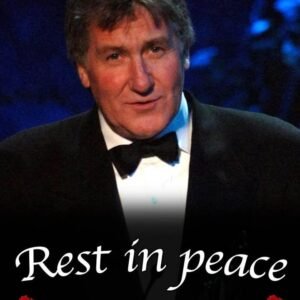
Piane joined the series during its debut season in 2009, appearing as a guest judge and helping shape musical challenges across Drag Race and All Stars. His credits included RuPaul songs and work on the Grammy-nominated Hairspray soundtrack. He had spoken publicly about substance use and mental health struggles; in August, he celebrated more than a year of sobriety. His collaborators’ tribute offered a tender farewell to an artist whose contributions helped bring unforgettable performances to life.
Continue Reading »Music was central to Piane’s contribution to the series. A television performance depends on much more than the person visible on screen: the arrangement, timing, musical structure, and production help shape what an audience remembers. His work on the show’s musical challenges connected those behind-the-scenes skills with the personalities and performances that became part of its appeal.
The tribute from World of Wonder places that contribution at the center of its farewell. Calling him a master musician recognizes his professional abilities, while describing him as a friend acknowledges the relationships formed through years of collaboration. Those two aspects of his life belong together. The music was the public result of work carried out among people who knew him beyond the finished performance.
His involvement from the debut season in 2009 also connects him to the program’s early creative development. Guest judging brought him into view, but his role in shaping musical challenges extended beyond those appearances. The account recalls both that visible presence and the production work that supported it, rather than reducing his career to a single television credit.
The references to his personal struggles are part of the account, but they do not define the entirety of his life or his legacy. His public celebration of more than a year of sobriety in August reflected a meaningful milestone for him. The collaborators’ response to his death emphasizes compassion and the artistic contributions they remembered, without presenting those difficulties as the only story worth telling.
The reported circumstances of his death remain attributed to the sources named above. The account does not provide a complete reconstruction of the collision or further details about the response. Remembering his career does not require filling those gaps with speculation. The loss described is already profound for the people who worked with him and the viewers who knew his contributions through the show.
His credits across television, recordings, and the Hairspray soundtrack offer different ways to encounter that work again. For colleagues, revisiting those performances may also recall the collaboration that made them possible. For audiences, they remain part of the creative record of a musician whose work helped give memorable moments their sound.